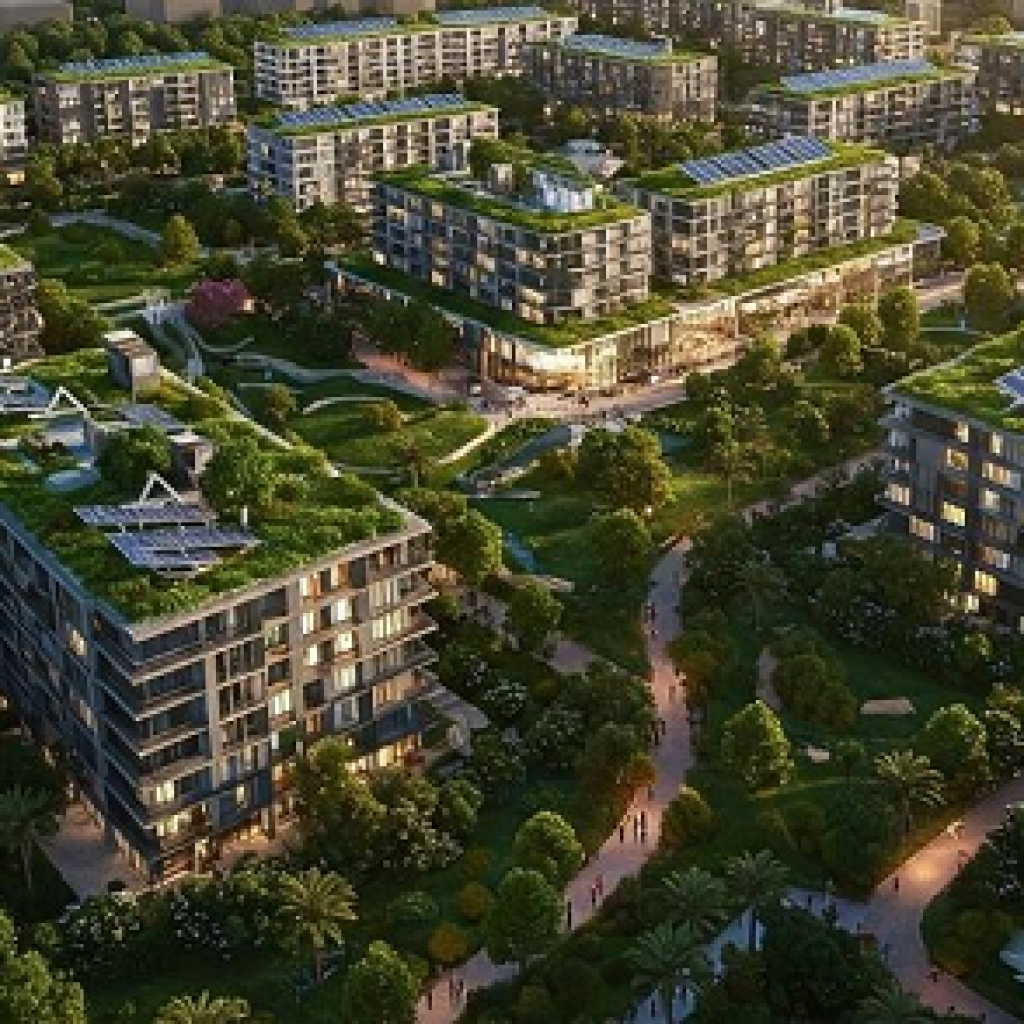
India’s housing market is entering a more mature and geographically balanced phase, with growth being driven not just by the country’s largest metropolitan centres. While Delhi-NCR continues to dominate the luxury segment, the Tier-2 cities are emerging as the next growth frontier, aided by improving infrastructure, rising purchasing power and changing buyer expectations.
 |
From Urban Expansion to Regional Growth: The Next Chapter of India’s Housing Story
Homebuyers are more discerning, with lifestyle, planning and long-term value influencing an increasing number of purchasing decisions. In response to shifting demand, developers are increasing their supply of premium and luxury units. The transition is most visible in Delhi-NCR. According to Cushman & Wakefield’s Delhi-NCR Residential MarketBeat Q4 2025, the region recorded 14,248 new residential launches during the quarter, up 39% sequentially and nearly 2.5 times year-on-year. Gurugram alone accounted for almost half of these launches, reinforcing its position as the country’s leading luxury residential market.
Reflecting this evolution, Kushagra Ansal, Director, Ansal Housing, says, “Gurgaon has emerged as one of India’s clearest luxury housing benchmarks because buyer behaviour here has become more confident, more selective and far more long-term in outlook. Today’s homebuyer is not just looking at ownership as a transaction, but as a decision tied to lifestyle, capital preservation and future relevance. That shift has strengthened interest from HNIs and other affluent buyers, who now view Gurgaon as a market where convenience, quality of life and strong infrastructure come together in a way few other places can match. What makes the city especially significant is that it is setting a template for premium housing across the country, showing how mature demand, market depth and connectivity can create lasting residential value.”
The momentum in Gurugram reflects a broader national trend. CBRE’s India Market Monitor Q4 2025 – Residential noted that residential sales and launches both crossed 270,000 units in 2025, while high-end housing overtook the mid-end segment to account for the largest share of residential sales. The sustained demand for premium homes signals that buyers are increasingly prioritising quality and long-term value.
The momentum is no longer confined to metropolitan markets. Cities such as Jaipur, Lucknow, Dehradun, Chandigarh and Rishikesh are emerging as the next growth engine for India’s housing market, aided by improving infrastructure and rising buyer confidence. Better infrastructure, expanding employment hubs and improved connectivity are accelerating demand across Tier-2 cities, where luxury housing is steadily gaining ground.
Umang Jindal, CEO, Homeland Group, says, “The luxury housing story in Tier-2 cities is being driven by a fundamental shift in buyer aspirations. Today’s buyers are not simply looking for larger homes; they want thoughtfully designed residences that deliver privacy, wellness, convenience and a superior living experience. We are also seeing demand become increasingly end-user led, with entrepreneurs, professionals and business families investing in homes that reflect their lifestyle rather than purely investment considerations. As infrastructure and urban ecosystems continue to improve, buyers are becoming more confident about choosing premium developments outside traditional metropolitan markets. Luxury is no longer defined by location alone—it is defined by the quality of the product, the strength of the community and the long-term value that a well-planned development can offer.”
Tejpreet Singh Gill, MD, GILLCO Group, says, “One of the most significant shifts we’re witnessing today is the growing confidence that homebuyers and investors are placing in India’s Tier-2 cities. Improved infrastructure, better connectivity and expanding economic opportunities are enabling these markets to build their own momentum while complementing established centres like Delhi-NCR. What stands out even more is the growing sophistication of homebuyers, who are making more considered choices and placing equal importance on quality, connectivity and long-term value, regardless of where they buy. This evolution is creating a more balanced housing landscape, where cities that combine economic opportunity with a high quality of life are emerging as enduring centres of residential growth.”
The numbers reinforce this shift. According to PropEquity’s Tier II Cities: Residential Overview, housing sales across the top 15 Tier-2 cities reached INR 40,443 crore in Q1 2025, up 6% year-on-year, while developers launched nearly 2.43 lakh residential plots between 2022 and May 2025. Higher-ticket homes priced above INR 1 crore also continued to gain traction, reflecting rising buyer confidence.
As expectations evolve, developers are adapting their projects to match changing preferences, placing greater emphasis on planning, amenities and integrated communities.
Reflecting this trend, Harvinder Singh Sikka, Chairman, Sikka Group, says, “The biggest shift we are witnessing is in what homebuyers expect from residential developments. Buyers today are looking beyond square footage and pricing to evaluate design, amenities, community living and long-term value. This evolution is encouraging developers to create projects that offer better planning, integrated lifestyles and higher-quality infrastructure. Whether in metropolitan markets or emerging cities, the focus has clearly moved towards homes that enhance everyday living while retaining strong investment potential. As aspirations continue to rise, premium features that were once limited to luxury developments are becoming increasingly important across a wider range of housing segments. This marks a fundamental shift in how residential projects are being planned and delivered.”
The result is a broader premium housing market, where luxury is steadily expanding beyond India’s largest cities as incomes rise and urban ecosystems mature.
Commenting on this trend, Sanchit Jain, Director, Sarvottam India, says, “Tier-2 cities are becoming far more relevant in the luxury housing conversation because the buyer profile itself is changing. We are seeing a clear rise in purchasing power, stronger interest from end-users and investors, and a greater willingness to invest in homes that deliver long-term value. Luxury demand is no longer confined to the metros; it is steadily spreading into markets where planning, livability and future appreciation align with buyer aspirations. This reflects a more mature mindset, where people are not simply buying a house, but choosing a location and product that can hold value over time. For developers, that makes the market more compelling because it rewards quality, thoughtful design and a sharper understanding of what today’s buyers want.”
India’s housing market is no longer defined by a single growth centre. As premium demand spreads beyond Delhi-NCR and Tier-2 cities continue to mature, the next phase of residential growth will be driven by stronger fundamentals, evolving aspirations and higher-quality development.