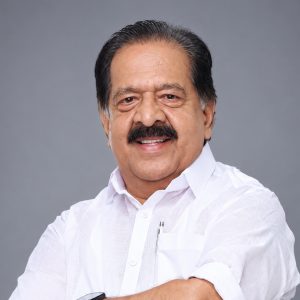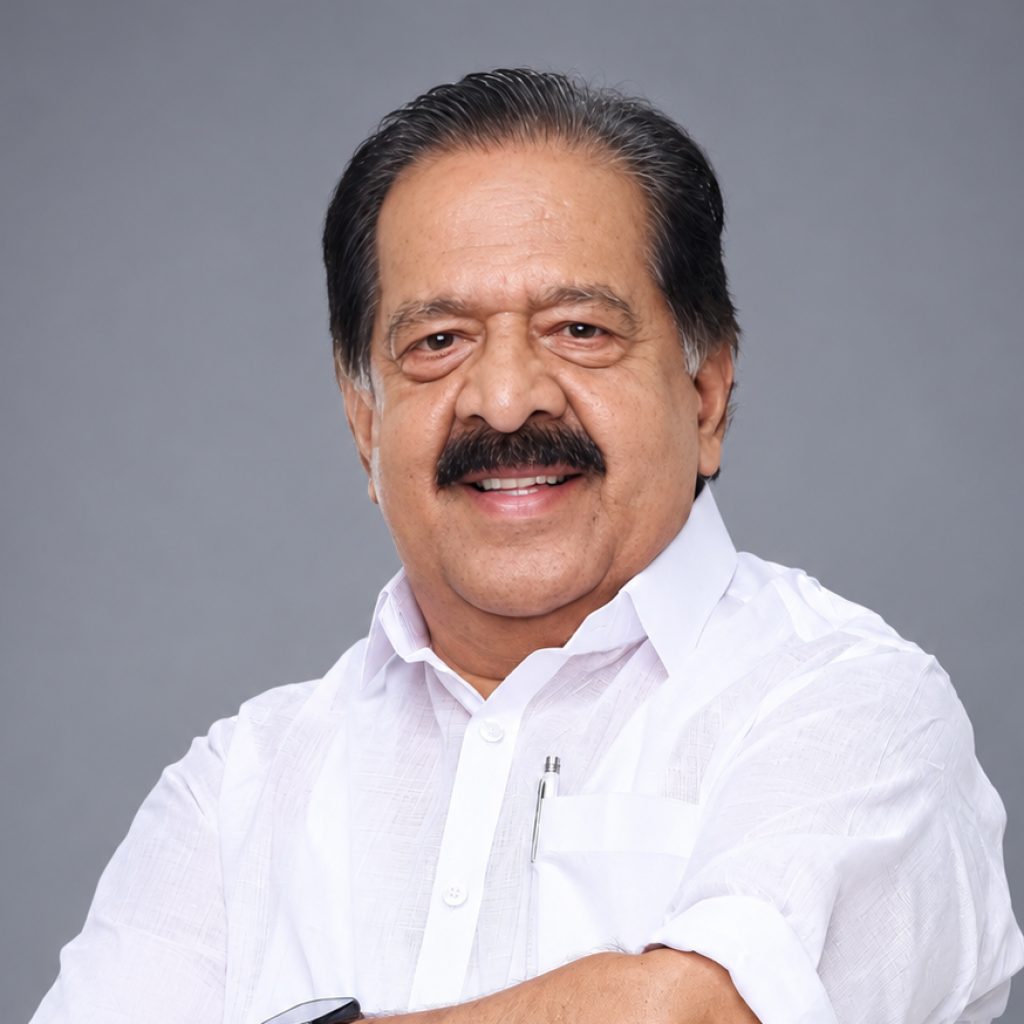
Keralam Minister for Home, Vigilance and Coir Ramesh Chennithala has urged Union Home Minister Amit Shah to strengthen interstate operational coordination against narcotics trafficking and convene a special conference of the Home Ministers of all States and Union Territories.
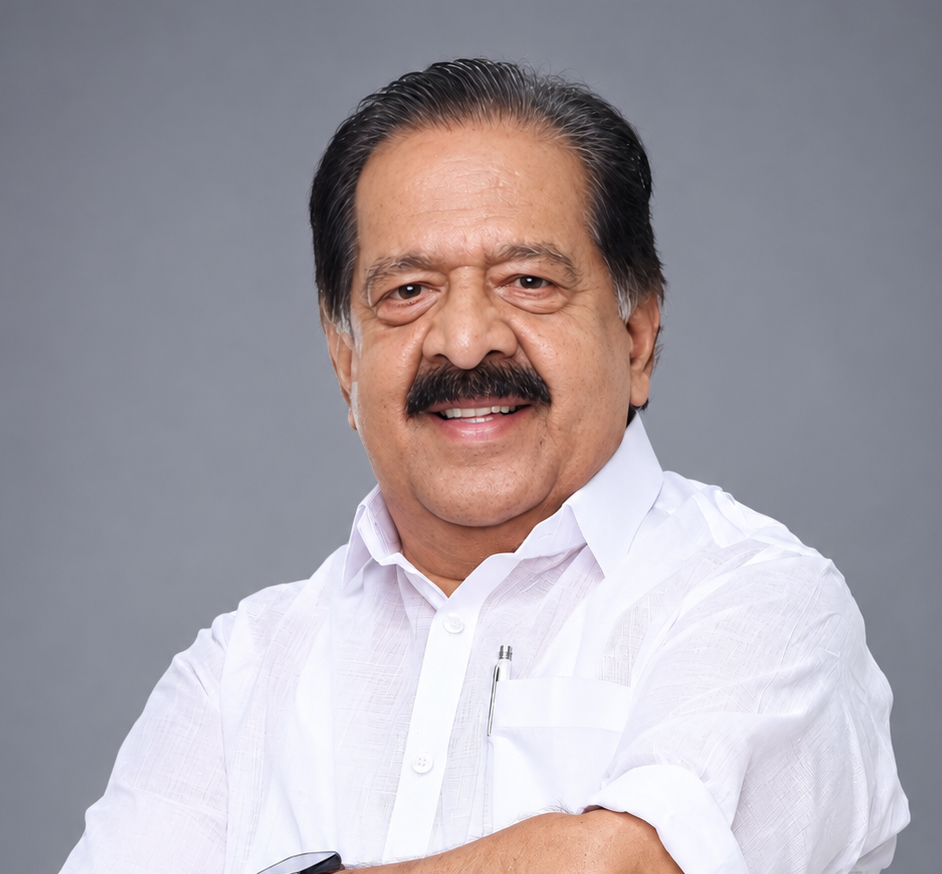 |
Keralam Minister for Home, Vigilance and Coir Ramesh Chennithala
In a letter submitted to the Union Home Minister, Chennithala has proposed a time-bound interstate operational protocol under the Narco-Coordination Centre (NCORD), faster real-time intelligence sharing, coordinated investigation of the financial networks behind drug trafficking, and a structured review of legal and procedural challenges under the NDPS framework.
The proposals draw on Keralam’s experience under Operation Toofan, the statewide anti-narcotics mission launched on 2 June 2026.
In 140 days, Keralam Police have registered 13,357 cases and arrested 14,409 persons under the operation. More than 27 kg of drugs and 1,796 kg of illicit substance have been seized.
Chennithala has pointed out that investigations originating from seizures within Keralam have repeatedly led police teams across State boundaries and, in some cases, to networks with links beyond India.
A seizure of 97 grams of drugs at Manjeri led Malappuram Police to a storage point in Coimbatore, where about 13 kg of illicit substance intended for Keralam was recovered. The investigation subsequently took police teams through Delhi, Noida, Kolkata, Bihar and Chennai in pursuit of the wider network.
In another case, a seizure of 609 grams of illicit substance at Angamaly led Ernakulam Rural Police to a key supplier in Nagaon, Assam. Further investigation resulted in arrests in Delhi and Bengaluru linked to networks supplying narcotics to Keralam.
“These operations succeeded because of the cooperation and goodwill of our counterparts in other States. But much of this coordination still depends on case-by-case arrangements,” Chennithala said in the letter.
“When an investigation crosses a state boundary, the pursuing team should be able to secure necessary coordination and local assistance within hours rather than days,” he said.
Four Proposals for Stronger National Coordination
1. A Time-Bound Interstate Operational Protocol Under NCORD
Chennithala has proposed a standard protocol for urgent interstate narcotics investigations and joint operations, including round-the-clock nodal officers in every State and Union Territory.
The proposed mechanism would cover immediate assistance to investigating teams, coordination of arrests and transit remand, preservation and transfer of evidence, and other time-sensitive operational requirements.
2. Strengthened Real-Time Operational Intelligence Sharing
The Minister has called for faster intelligence sharing among State Anti-Narcotics Task Forces and other Drug Law Enforcement Agencies on trafficking routes, repeat offenders, courier networks, source points, financial links and emerging substances.
The proposal seeks to build on the existing NCORD architecture and the National Integrated Database on Arrested Narco-Offenders (NIDAAN).
3. A Coordinated Mechanism to Follow the Financial Trail
Chennithala has proposed structured coordination among State Police forces, the Narcotics Control Bureau, Enforcement Directorate, FIU-IND and other competent agencies in major NDPS cases involving interstate or international networks.
Investigators, he said, should be equipped to follow hawala channels, mule bank accounts, digital-payment trails and virtual digital assets wherever the evidence leads.
“Following the money must become an integral part of following the drug.”
The objective, he said, must be to dismantle not merely the carriers of narcotics but also the financiers and organisers who sustain trafficking networks.
4. Review of Legal, Procedural and Enforcement Challenges
The letter calls for a structured consultation involving States, enforcement agencies, forensic experts, prosecutors and legal experts to examine emerging challenges under the NDPS framework.
Among the issues flagged are cases in which traffickers are alleged to split consignments in an attempt to remain below commercial-quantity thresholds, delays in forensic examination, prolonged proceedings relating to proceeds of narcotics trafficking, and the rapid emergence of synthetic and new psychoactive substances.
The letter notes that all these challenges may not necessarily require legislative amendments. Some may require changes in rules or procedures, greater forensic capacity, improved investigation protocols or other administrative measures.
Conference of Home Ministers Proposed
Chennithala has also requested the Union Government to convene a conference of the Home Ministers of all States and Union Territories focused on interstate narcotics trafficking and implementation of the Vision Document on Drug Control (2026–2029) released by Amit Shah at the 10th Apex-Level NCORD meeting.
Keralam has offered to host the conference.
Chennithala said such a meeting could bring States and Central agencies together to share operational experience, develop common protocols and identify gaps requiring coordinated national action.
Keralam, he said, would be ready to place its experience under Operation Toofan before the conference and work with the Union Government in developing its agenda.
“The fight against drugs is a fight for the future of our young people and must rise above political differences.”
Keralam stands ready to work with the Union Government, the NCB and every State and Union Territory to dismantle narcotics networks “from the source to the kingpin,” the Minister said
Chennithala has also sought an opportunity to discuss the proposals with the Union Home Minister.